Klara Baumann · 22 September 2026
Tracing the Evolution of Digital Asset Portfolios Through Historical Registry Data Analysis
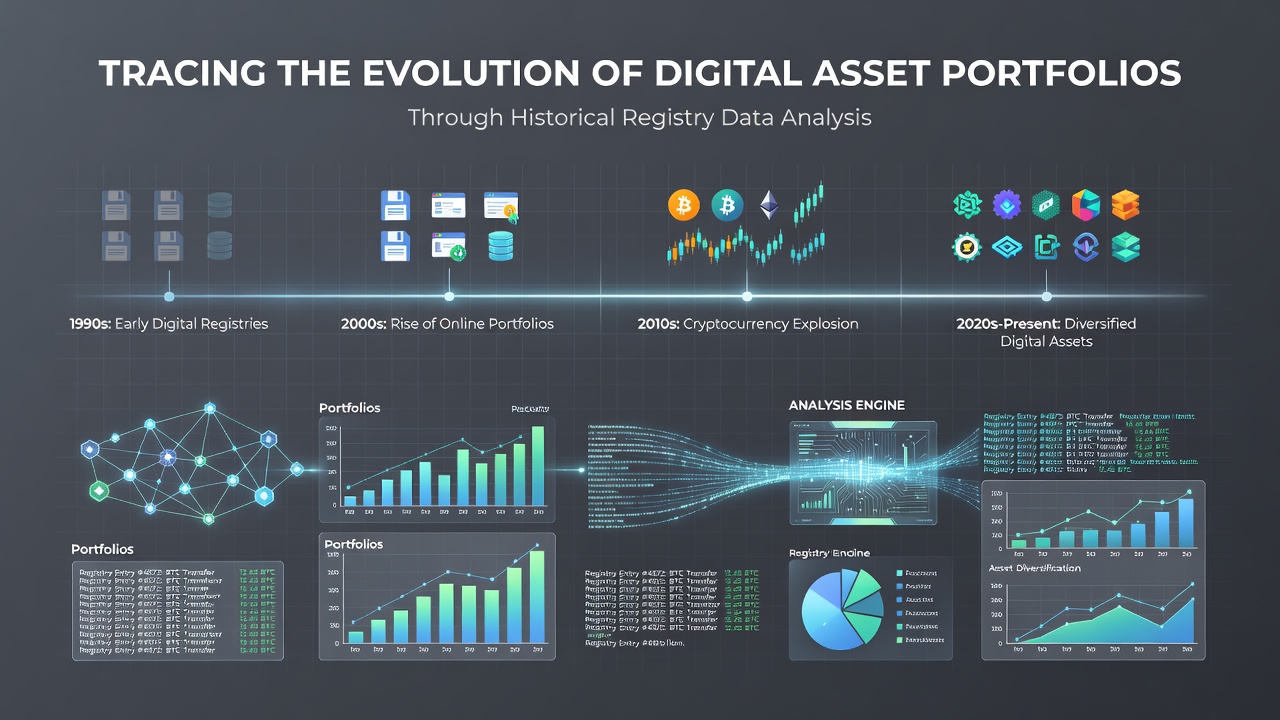
Digital asset portfolios have shifted dramatically since the earliest blockchain entries appeared in 2009, and analysts now rely on historical registry data to map those changes with precision. Registry records from public ledgers capture every transaction timestamp, wallet address, and token transfer, which creates a continuous dataset that researchers examine for patterns in accumulation, distribution, and valuation cycles.
Foundations of Registry Data in Digital Assets
Blockchain registries function as immutable ledgers that store ownership details and movement histories for cryptocurrencies, tokens, and related instruments. Early Bitcoin nodes maintained the first such records, and subsequent networks added layers for smart contracts and tokenized assets. Observers note that these datasets grew from simple transaction logs into comprehensive archives once exchanges and custodians began reporting holdings to regulatory bodies.
Data from the U.S. Securities and Exchange Commission shows that registered investment vehicles holding digital assets increased from fewer than ten filings in 2018 to several hundred by mid-decade. European Securities and Markets Authority reports similarly track the rise of centralized platforms that publish aggregated wallet statistics, allowing analysts to cross-reference on-chain activity with off-chain disclosures.
Analytical Methods Applied to Historical Records
Researchers apply clustering algorithms to wallet addresses that share transaction histories, which reveals common ownership patterns across multiple portfolios. Time-series analysis then overlays price data from public exchanges onto these clusters, producing visualizations of entry and exit points during market events. Network graphs further illustrate how assets moved between exchanges, cold storage solutions, and decentralized protocols over successive years.
One study published by academic teams at MIT examined Bitcoin registry data spanning 2012 through 2024 and identified recurring accumulation phases that aligned with halving events. The same methodology has since been extended to Ethereum and other networks, where token-specific registries provide granular information on staking activity and liquidity provision.
Portfolio Shifts Documented Through Successive Registry Updates
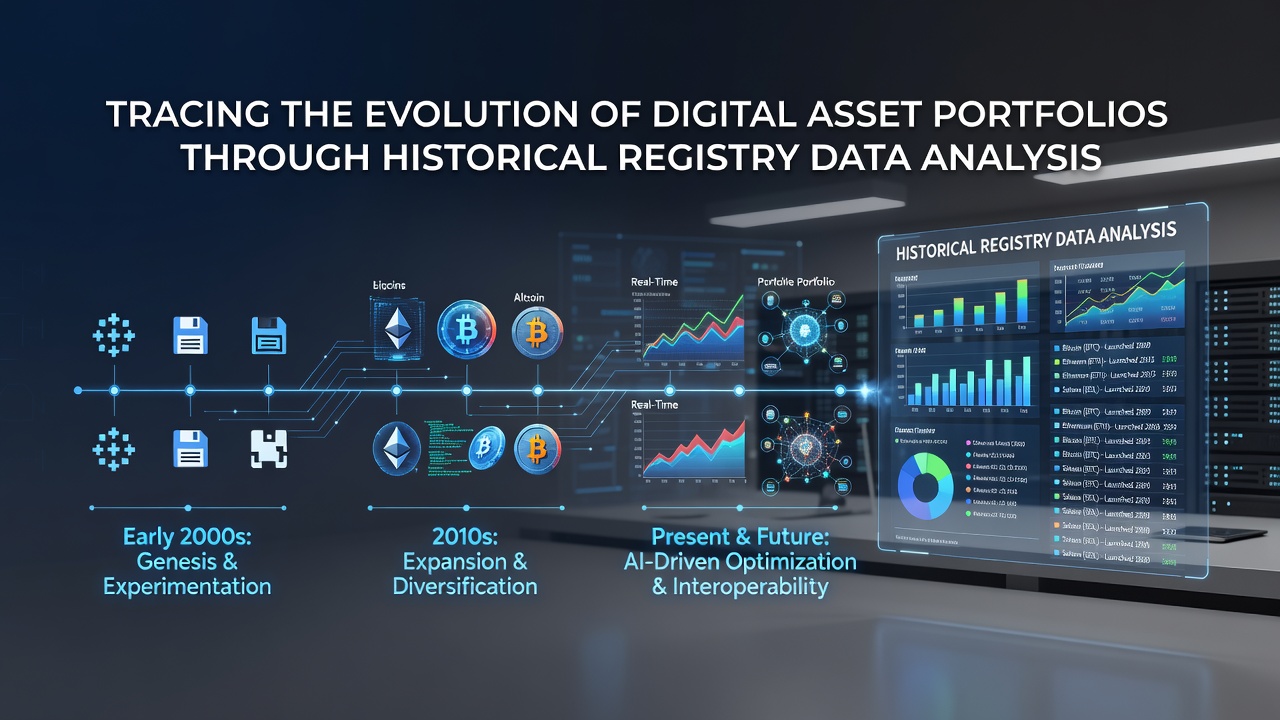
Registry snapshots from 2015 show heavy concentration in a small number of early wallets, whereas later records indicate broader distribution across retail and institutional addresses. Analysts compare these snapshots at regular intervals to quantify changes in average holding periods and the frequency of cross-border transfers. Data indicates that institutional participation became measurable after 2020 once custody solutions integrated with traditional brokerage systems.
By September 2026, updated registry feeds from major networks will incorporate additional metadata fields for compliance tagging, which analysts expect will refine segmentation between long-term holders and active traders. Historical comparisons already demonstrate that portfolios rebalanced more frequently during periods of regulatory clarity in multiple jurisdictions.
Integration with External Data Sources
Registry analysis gains additional context when combined with filings from securities regulators in Canada and Australia, where licensed platforms submit periodic holdings reports. These disclosures help validate on-chain observations and highlight discrepancies caused by mixing services or privacy-enhanced protocols. Cross-referencing techniques now form standard practice among firms that manage multi-asset portfolios.
Academic papers frequently cite the value of combining registry data with macroeconomic indicators, such as interest rate announcements or inflation reports, to explain volume spikes that appear in the ledgers. Such integrated approaches have produced clearer timelines of capital inflows during specific quarters.
Conclusion
Historical registry data analysis continues to supply the primary record of how digital asset portfolios have evolved from experimental holdings into diversified positions held by individuals and institutions worldwide. As networks release new registry formats and regulators expand reporting requirements, the granularity of available datasets will support increasingly detailed reconstructions of past allocation strategies and future projections grounded in verifiable transaction histories.